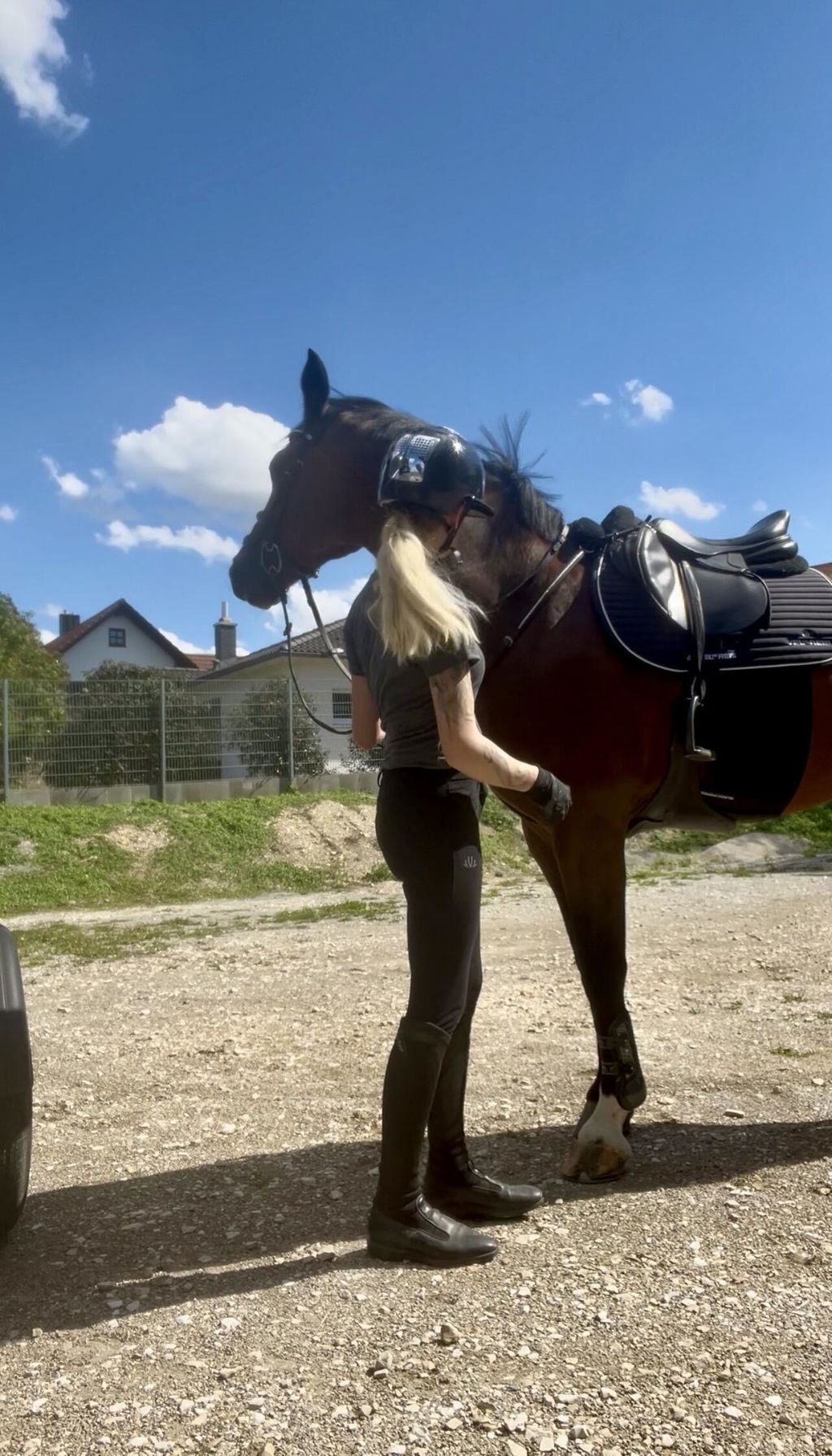
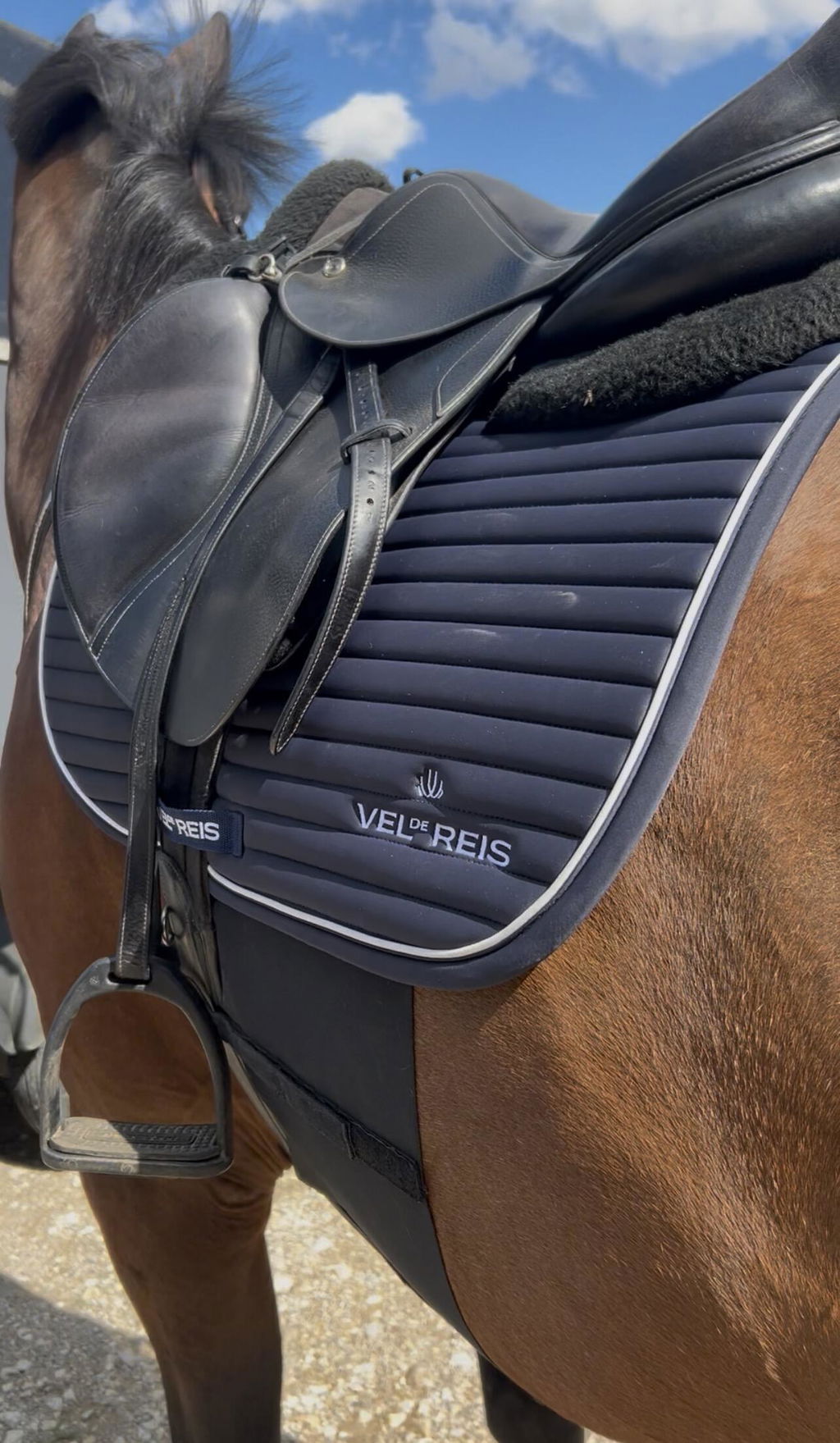
When you step into the show jumping ring, your focus must be entirely on the course, the strides, and your horse’s takeoff—not on slipping in the saddle or restricted movement. Choosing the right riding leggings directly impacts your form over fences. Show jumping requires an aerodynamic release of your seat, placing unique demands on lower leg stability. The gear you choose must support your two-point position without restricting your pelvis.

This comprehensive guide breaks down exactly why knee grip leggings have completely dominated the jumping arena, pushing thick leather breeches out of the market. We will explore how modern silicone technology improves rider biomechanics, what fabrics actually matter for summer competitions, and how to properly care for your high-performance equestrian wear.
Table of Contents
1. Full Seat vs. Knee Grip: The Core Biomechanics
The eternal debate between full seat and knee grip boils down entirely to how your specific discipline requires you to physically interact with the saddle. Dressage demands a constantly deep, heavy, and extremely secure seat, making full grip necessary. Jumping requires the exact opposite.
What is the critical difference between knee grip and full seat riding leggings? Knee grip leggings feature silicone adhesive patches isolated strictly along the inner knee and upper calf areas. This specific placement allows the rider's seat to easily, rapidly, and effortlessly lift from the saddle during the aerodynamic two-point jumping position. In contrast, full seat leggings utilize thick, grippy silicone across the entire riding seat and inner thigh, which provides the maximum friction and glue-like stability desired explicitly by dressage riders for deep sitting trots and collected lateral movements. For show jumping, restricting the seat with full silicone can dangerously hinder the upper body's ability to smoothly fold over the horse's neck during jump clearance. Therefore, knee grip designs are the optimal biomechanical choice for jumping disciplines, offering necessary lower leg stability against the saddle flap without compromising the essential upward release of the pelvis over 1.20m+ fences.

2. The Science of Silicone Patch Technology
Modern competition leggings have joyfully abandoned thick, restrictive, and hot leather patches in favor of advanced thermal-printed silicone. This is not just a fashion trend; this is a massive leap in athletic sportswear engineering. This shift matters for three core reasons:
- Enhanced Friction Control: Silicone naturally offers a considerably higher friction coefficient than suede or leather. This means gear manufacturers can use less surface area to achieve the exact same, if not better, grip.
- Fabric Integrity & Stretch: Thermal-printing flawlessly integrates the grip directly into the elastane blend. Because the silicone is printed in segmented patterns, it maintains the crucial 360-degree four-way stretch of the base fabric, allowing your leg muscles to expand and contract naturally.
- Heat Dissipation: Minimal silicone application means less trapped body heat against the hot leather saddle flap during intense, sweaty summer courses, keeping your core temperature lower.
3. High-Performance Fabric Composition
In equestrian sports, grip is utterly useless if the fabric base sags, loses its shape midway through the course, or severely chafes your skin. High-performance competition leggings must act as a second skin, balancing firm muscle compression with elite breathability.
When selecting your next competition pair, you must actively look for fabrics utilizing a high percentage of Elastane (Spandex)—typically around 20-30%—blended with durable Nylon or Polyamide. This specific, high-tech ratio creates a dense, moisture-wicking barrier that physically blocks harmful UV rays (UPF 50+) while simultaneously providing targeted muscle support to the hamstrings and calves. This compression dramatically delays early rider fatigue by improving blood circulation during grueling, multi-day show weekends.
4. The Vel de Reis Knee Grip Advantage
At Vel de Reis, we refused to settle for basic activewear masquerading as equestrian gear. We meticulously engineered our Women's Competition Knee Grip Leggings specifically for the rigorous demands of the modern jumper ring.
Instead of generic, mass-produced grip patterns, our silicone patches are strategically printed following the natural anatomical anchor points of the inner knee. Combined with an ultra-soft, shape-retaining elastic fabric, they provide the exact, unshakable anchor you need to stabilize your lower leg, leaving your seat completely free to flawlessly follow your horse's parabolic motion. The deliberate addition of deep, functional side phone pockets ensures practicality between schooling rounds without ever compromising the sleek, traditional competition silhouette that judges expect.
5. How to Wash and Maintain Silicone Leggings
Technical fabrics require technical care. To ensure your silicone grip doesn't peel and your elastane doesn't lose its "snap," follow these non-negotiable rules:
- Wash Inside Out: Always turn the leggings inside out before washing to protect the silicone from direct abrasion against the washing machine drum.
- Cold Water Only: Wash on a delicate cycle using cold water (30°C max). Hot water degrades the elastic fibers.
- No Fabric Softeners: Softeners coat the technical fibers in a waxy residue, completely destroying their moisture-wicking capabilities and degrading the silicone adhesion.
- Never Tumble Dry: The heat of a dryer is the ultimate enemy of silicone. Always lay them flat to air dry.
6. Frequently Asked Questions (FAQ)
Are knee grip leggings good for beginners?
Absolutely. Knee grip leggings encourage beginners to develop true, independent balance and solid lower leg stability without relying on the artificial "glue" of a full seat. This independence is crucial for learning a correct posting trot and a stable jumping position.
Can I wear knee grip leggings for dressage?
While you can certainly wear them for lower-level or casual dressage schooling at home, upper-level dressage competitors strongly prefer full seat leggings. The full seat is necessary to maintain a remarkably deep, secure, and unwavering connection with the saddle during demanding collected movements like the passage or piaffe.
Do white competition leggings get see-through when wet?
Cheap white leggings often suffer from transparency issues. However, premium equestrian competition leggings are constructed using dual-layer, high-density polyamide fabrics specifically designed to remain completely opaque, even during heavy rain showers or intense sweating.