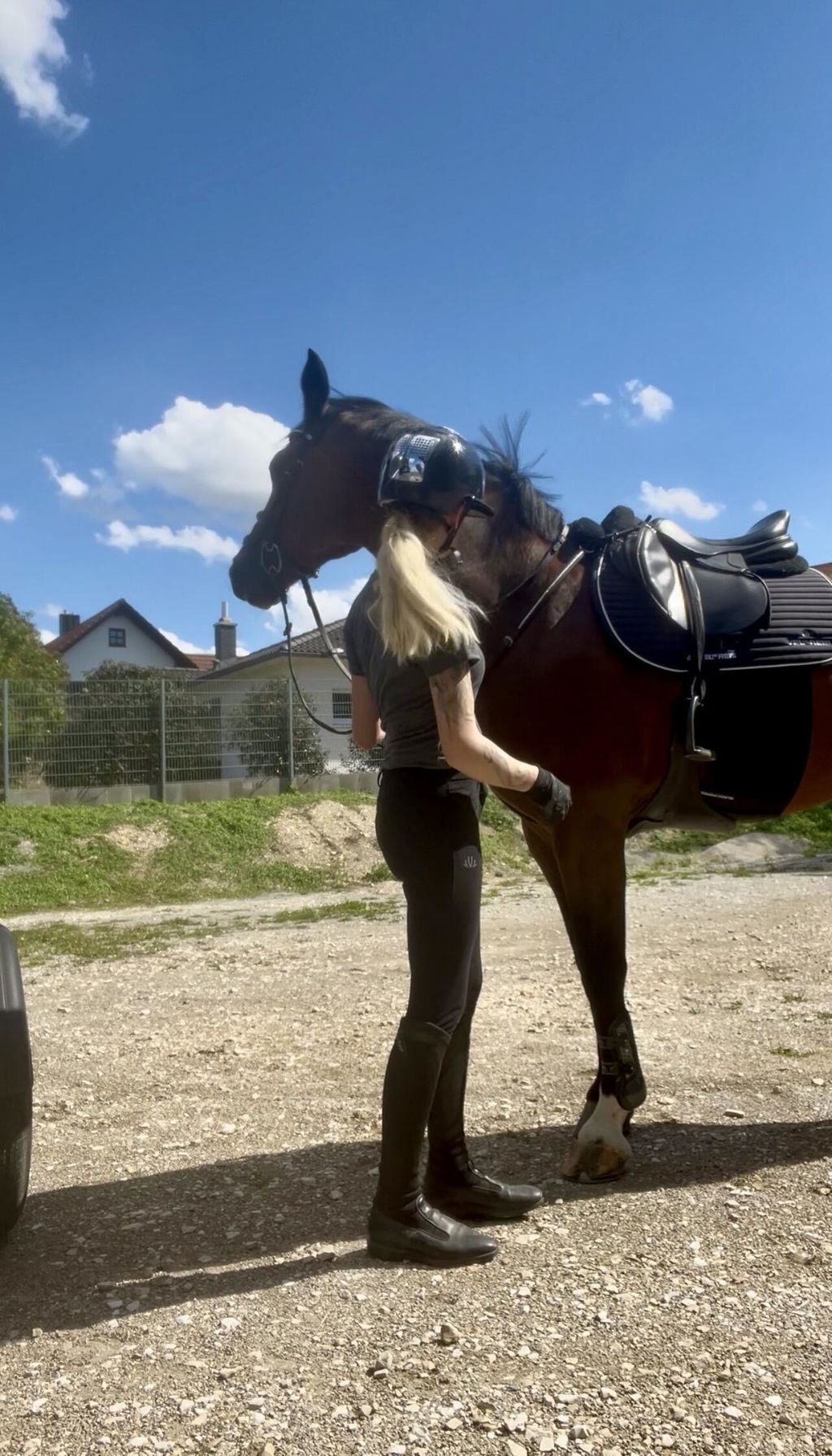
Equestrian riding tights are specialized, lightweight, pull-on sport trousers engineered specifically for the biomechanical demands of horseback riding. Unlike traditional breeches, they lack a rigid front zipper, buttons, and stiff belt loops. Instead, they are constructed using advanced bi-elastic compression fabrics (typically high-grade polyamide and elastane blends) and integrated silicone gel grip patterns. They provide equestrians with unparalleled multidirectional flexibility, capillary moisture-wicking breathability, and targeted core support, making them the definitively superior choice for high-intensity summer flatwork, jumping clinics, and casual hacking in elevated temperatures.
1. Embracing the Summer Schooling Revolution
The days of suffering through a 90-degree July afternoon in stiff, heavy cotton-blend breeches are definitively over. Over the last five to seven years, the equestrian apparel industry has experienced a massive paradigm shift toward athletic riding tights. This movement borrows the unrestrictive, second-skin comfort of elite yoga and track gear, but heavily reinforces it with the abrasion-resistant durability required to withstand the friction of a leather saddle.
For professional show jumping and dressage riders logging six to eight horses a day, premium summer riding tights have become the undisputed standard for daily schooling. The transition from heavy woven breeches to lightweight knit tights is not merely a passing sartorial trend; it is an overt evolution in sports science. Athletic tights allow for a much closer contact feel against the horse's barrel, completely eliminate the chafing associated with bulky inseams, and drastically reduce the rider's resting and active core temperature during intense physical exertion. However, in a currently oversaturated market, understanding the specific textile engineering that separates a premium equestrian tight from a standard mass-market gym legging is absolutely crucial for protecting your investment.
Comprehensive Table of Contents
- Breeches vs. Riding Tights: The Metrics
- The Chemistry of Summer Weight Fabrics
- Polyamide vs Polyester: The Distinct Advantage
- Capillary Action & Evaporative Cooling
- Biomechanical Advantage of Core Compression
- Overcoming Waistband Constriction
- Silicone Grip Geometries Analyzed
- The Anatomical Phone Pocket Phenomenon
- Chemical Detergents & Elastane Degradation
- Comprehensive FAQ Guide
2. Breeches vs. Riding Tights: The Technical Metrics
To fully grasp the revolution, one must quantify the differences between traditional competition breeches and modern schooling tights. The chart below delineates the functional variances that make tights exponentially better for hot-weather training regimens.
| Metric / Feature | Traditional Breeches | Premium Riding Tights |
|---|---|---|
| Fabric Architecture | Heavy woven blends (often cotton/nylon) | Lightweight knit blends (Polyamide/Elastane) |
| Waist Closure | Front zip, metal clasps, rigid belt loops | Smooth, pull-on anatomical compression band |
| Seat Material | Clarino/Suede synthetic leather (heat trapping) | Micro-dot printed Silicone gel (breathable) |
| Stretch Capacity | Two-way stretch (horizontal only) | Four-way bi-elastic stretch (360 degrees) |
| Best Use Case | Formal USEF/FEI show ring competition | Daily summer schooling, hacking, clinics |
3. The Chemistry of Summer Weight Fabrics
The operative foundation of any high-performance riding tight is its fundamental textile composition. It is a critical error to mistake casual athleisure wear for equestrian-grade equipment. Premium riding tights are meticulously woven from advanced synthetic blends, prioritizing abrasion resistance without sacrificing aerodynamic profiling.
Polyamide vs Polyester: The Distinct Advantage
While standard workout leggings utilize cheap polyester, elite equestrian tights are woven from Italian Polyamide. Polyamide (nylon) possesses a significantly higher tensile strength than polyester. This means that when a rider's inner thigh rubs aggressively against the stirrup leather fifty times a minute during a posting trot, the polyamide fibers will not fracture, pill, or shred. Furthermore, polyamide offers a softer, more luxurious "hand-feel" against the skin, preventing the abrasive rashes common with cheaper synthetics.
Capillary Action and Evaporative Cooling Metrics
During a grueling summer flatwork session, heat exhaustion is a severe physiological risk that can impair rider reflexes and judgment. The best riding tights employ hydrophobic (water-repelling) synthetic fibers woven to create microscopic geometric channels. These microscopic channels utilize capillary action to pull sweat aggressively away from the rider's epidermis, drawing it outward to the visible surface of the fabric.
Once the moisture bridges to the surface, it spreads across a wide surface area. The ambient air then evaporates the moisture at an exponentially accelerated rate. This physical state change (from liquid sweat to vapor) literally draws heat energy away from the skin, creating an active, physical cooling loop for the rider's legs and core.
Biomechanical Advantage of Core Compression
A frequent and valid complaint regarding cheap, entry-level riding tights is that they feel unsupportive, flimsy, or fail to provide a "secure" feeling in the saddle. This represents a catastrophic failure of compression engineering. High-quality equestrian tights possess a high elastane content—typically ranging between 15% and 25%—which provides multi-directional, aggressive four-way stretch compression.
This localized pressure acts as an invisible exoskeleton. It physically supports the major muscle groups of the quadriceps, hamstrings, and glutes, drastically reducing muscle vibration during high-impact gaits like the sitting trot or a bouncy canter. By minimizing this microscopic soft tissue vibration, compression fabrics significantly blunt the onset of muscle fatigue and lactic acid buildup, allowing the rider to maintain a deep, independent, and quiet seat for vastly longer durations.
4. Overcoming Waistband Constriction
The primary architectural and ergonomic advantage of a pull-on riding tight is the total elimination of the front zipper, the metal button closure, and the rigid canvas belt loops. Traditional breeches rely heavily on leather belts that often dig painfully into the rider's hip bones (the anterior superior iliac spine) or lower abdomen, especially when folding forward to adopt the two-point jumping posture over an oxer.
Premium riding tights obliterate this hardware, replacing it with a broad, flat, V-shaped or U-shaped compression band. This wide waistband sits highly and securely above the iliac crest (the highest part of the pelvic bone). By distributing pressure evenly across a massively larger surface area, the wide waistband completely eliminates the dreaded "waist gap" at the lower back when leaning forward, prevents the tights from rolling down during the mounting process, and offers gentle, continuous lumbar support to a rider's lower spine.
5. Silicone Grip Geometries Analyzed
Unlike old-school suede or clarino leather patches that essentially wrap the rider's legs in heat-trapping blankets, modern summer tights utilize strategic, raised silicone gel printing. This state-of-the-art application allows the base fabric underneath the grip to remain hyper-breathable while providing superior friction coefficients against the slick leather of the saddle flap.
Micro-dot vs Solid Poured Silicone
Not all silicone is created equal. Low-tier brands pour massive, solid block shapes of silicone onto the thigh. Solid blocks of silicone prevent the fabric underneath from stretching and create a harsh "sticky feeling" that violently pulls against the rider's skin, often resulting in bruising or saddle sores. Expert brands like Vel De Reis utilize an intricate micro-dot, fragmented, or chevron silicone pattern. Fragmented patterns ensure the tight retains 100% of its four-way stretch elasticity while still gripping the saddle.
Full Seat vs Knee Patch Dynamics
Knee Grip Tights: Favored heavily by show jumpers, hunters, and eventers, knee grip tights feature silicone patterns strictly on the inside of the knee and inner thigh. This provides the necessary friction to stabilize the lower leg over fences while allowing the rider's buttocks and seat to remain mobile, sliding smoothly in and out of the saddle.
Full Seat Tights: Absolutely essential for dressage riders, full seat tights feature silicone extending from the inner knee, up the entire inner thigh, and completely across the buttocks. This creates a highly secure, locked-in foundation, assisting the rider in maintaining a deep, glued seat during complex, high-degree lateral movements, half-passes, and highly collected gaits.
6. Chemical Detergents & Elastane Degradation (Care Rules)
To fiercely protect your financial investment and ensure your summer riding tights maintain their compressive elasticity and silicone grip tackiness, you absolutely must alter your standard washing routine. Treat your riding tights like high-end lingerie, not like a pair of denim jeans.
- Strictly Cold Water: High heat from washing machines and tumble dryers physically degrades and melts elastane fibers over time. Washing in hot water will eventually cause the tights to permanently bag at the knees and sag at the buttocks. Keep temperatures below 30°C (86°F).
- Zero Fabric Softeners: Liquid fabric softeners (and dryer sheets) work by leaving a waxy, suffocating coating on textile fibers. This instantly destroys the fabric's precise moisture-wicking capillary channels and permanently ruins the breathability of the garment.
- Invert the Garment: Always wash tights completely inside out. This shields the delicate silicone grip from scraping against the abrasive metal zippers or buttons of other garments violently churning in the wash drum.
- Air Dry Only: Never machine dry. Hang them over a smooth rack. Technical polyamide fabrics are engineered to expel water, meaning they will air dry incredibly fast naturally at room temperature.
7. Comprehensive FAQ Guide
Can I legally wear riding tights to a rated horse show?
While riding tights are undisputed champions for daily summer schooling and cross-country clinics, recognized governing bodies (such as USEF, USDF, or FEI) generally still enforce stringent dress codes. These codes typically require traditional tailored breeches featuring a front zip closure, a collar button, and belt loops to maintain the formal, historic traditions of the competition arena. Always check your specific prize list before entering the ring in pull-on tights.
Do summer riding tights show embarrassing sweat marks?
Lower quality cotton-blend tights are highly absorbent and will visibly darken when soaked with sweat. However, premium synthetic riding tights crafted from high-polyamide/elastane blends are designed to disperse and evaporate moisture so rapidly that visible, concentrated sweat stains are drastically minimized, even on notoriously difficult lighter colors like beige, tan, or light steel gray.
Are summer riding tights warm enough for winter riding?
Absolutely not. Summer riding tights are explicitly designed as heat-exhaust systems and will provide zero thermal insulation in freezing, sub-zero temperatures. For winter riding, equestrians must transition to "winter tights" or thermal softshell breeches, which are heavily constructed with a bonded inner micro-fleece lining specifically designed to trap escaping body heat and block freezing winds.
How tight should my riding tights actually be?
They should fit like a supportive second skin. You should feel noticeable compression against your thighs and hamstrings, but you should not feel restricted when you lift your knee to your chest. If the fabric bags behind your knee or bunches at the crotch, they are too big and will cause brutal friction sores. If the waistband restricts your breathing deeply into your diaphragm, they are too small.