The Evolution of Dressage Wear
For centuries, the sport of dressage has demanded the utmost formality and rigidity. Early dressage riders wore thick cavalry twill breeches—garments so stiff and highly structured that they literally had to be pulled on with specialized hooks. While these heavy fabrics provided a barrier against saddle friction, they completely insulated the rider from the horse, blocking the micro-vibrations and subtle muscle shifts required for true invisible communication.
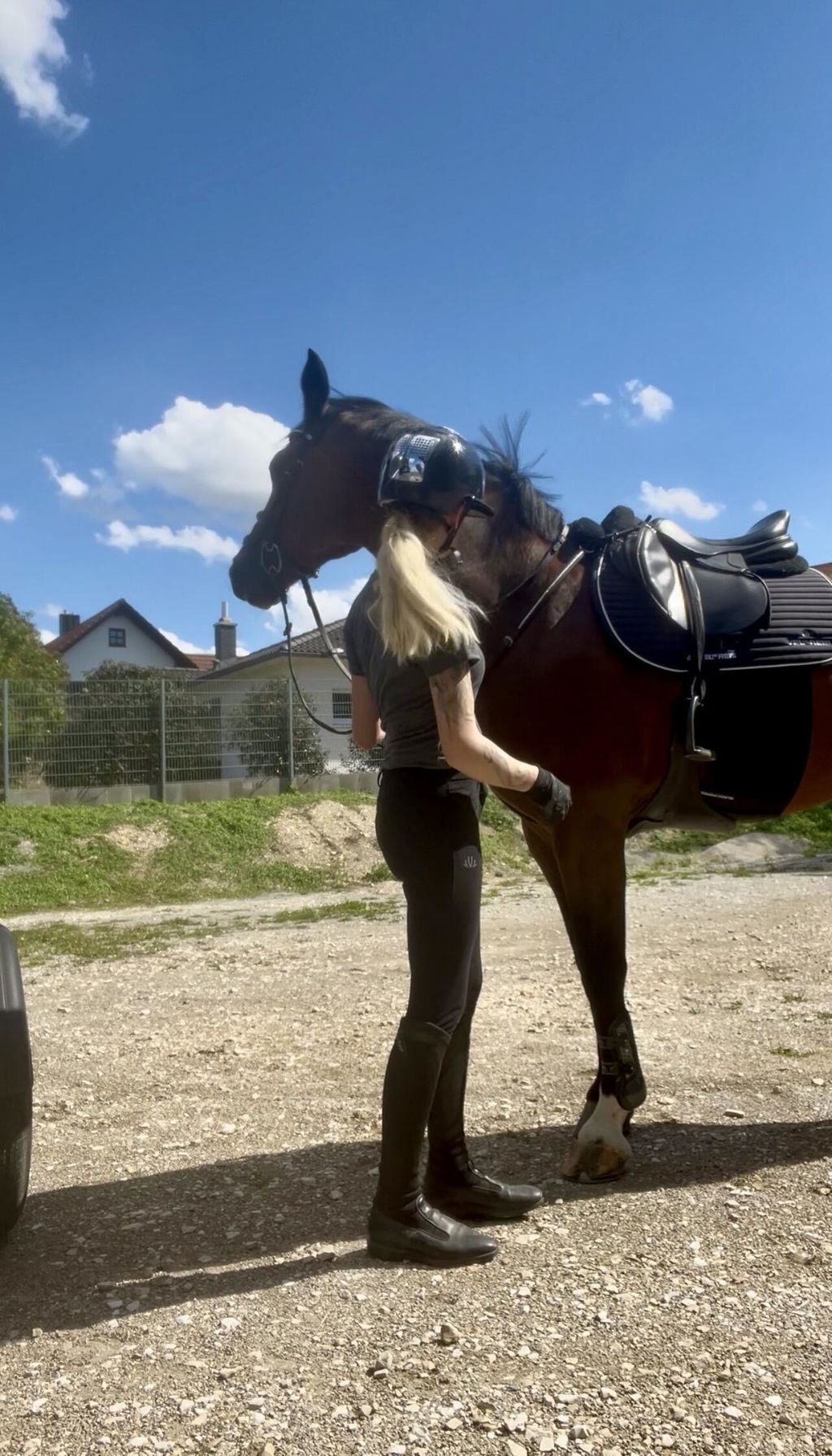
The modern era has seen a massive paradigm shift. As dressage moves away from brute force and rigid framing toward absolute harmony and biomotor fluidity, the apparel has evolved to match. The VEL DE REIS Women's Jumping Breeches with silicone knee-grip panels represents the apex of this revolution. By fusing the hyper-elasticity of elite yoga apparel with the extreme friction technology required for equestrian sports, garment engineers have created a second skin that locks the rider into the saddle while providing zero resistance to complex hip rotations.
The Physics of the Full Grip Seat
In jumping, the rider spends the majority of their time in a two-point position, entirely suspended above the horse's back. Dressage requires the exact opposite. A dressage rider must maintain a profound, continuous "three-point" contact (the two seat bones and the pubic symphysis) draped deeply into the deepest part of the saddle seat.
360-Degree Silicone Adhesion
If a rider is wearing slick fabric, every massive stride of the horse’s extended trot or the explosive upward thrust of a canter pirouette will physically launch the rider's pelvis upward, breaking that critical three-point contact. A full grip legging combats this by wrapping the entire inner leg, the glutes, and the seat bones in a matrix of high-density silicone droplets.
This silicone is engineered to create intense, tacky friction against the smooth leather of a dressage saddle. When the rider sits deep, the silicone physically anchors the pelvis to the leather. This allows the rider's core to absorb the concussive force of the horse's back without slipping laterally or being bounced upward. The rider's leg simply melts into the side of the horse, providing an incredibly secure, immovable foundation from which to apply subtle half-halts.
Core Stabilization and the High Waistband
Dressage is, fundamentally, a sport of extreme core strength. The rider must maintain a perfectly vertical posture, absorbing massive kinetic energy through their abdominal and lower back muscles without collapsing the rib cage.
The Deep V-Cut High Waist
Traditional low-rise breeches are disastrous for dressage. As the rider sits deep and tilts their pelvis slightly backward to absorb the trot, a low-rise breech will gap open at the back, sliding down and exposing the lower back to cold drafts while causing the front zipper to violently bite into the lower abdomen.
Premium riding leggings specifically utilize a massive, extra-wide, high-waisted compression band. This band sits entirely above the hip bones, wrapping the the lower back and traversing the natural waistline. This acts exactly like a weightlifting belt. It provides firm, 360-degree structural support to the rider's core, gently forcing the lower back to remain elongated and discouraging a hollow, arched spine.
Athletic Compression for Long Schooling
Professional riders and dedicated amateurs often ride between three to six horses back-to-back in a single day. The muscular fatigue generated by squeezing a 1,200-pound animal for hours on end is immense.
High-end riding leggings are not just woven with simple spandex—they utilize medical-grade graduated compression. By weaving the elastane tighter around the ankle and calf and gradually loosening it up toward the thigh, the legging physically acts as a circulatory pump. It accelerates venous return, helping the body push deoxygenated blood and lactic acid out of the tired leg muscles and back up to the heart. This massive reduction in lactic acid pooling directly reduces next-day soreness and delays the onset of muscle cramping during a long ride.
Seamless Integration with Tall Dressage Boots
Perhaps the most challenging aspect of dressage apparel is the boot. A custom dressage boot is reinforced with a solid "stovepipe" exterior shaft that intentionally prevents the rider's ankle from flexing, ensuring a long, elegant leg. These boots are incredibly rigid and brutally tight.
Riding leggings completely lack the thick buttons, front zippers, heavy belt loops, and thick inner-thigh seams found on traditional breeches. The entire garment is designed using flat-lock stitching. When you zip a rigid dressage boot over a legging, there is absolutely zero fabric bulk pressing into your shin or ankle malleolus. It slips on effortlessly, feeling like a single, cohesive layer from your skin to the outer leather.
How to Care for Silicone Grip Leggings
The silicone matrix is the engine of the legging. If you destroy the silicone, the legging becomes useless in the saddle.
- Turn Inside Out: Always turn the leggings completely inside out before washing to protect the silicone from surface abrasion against the washing machine drum.
- Cold Water Exclusively: Hot water will physically melt the silicone adhesive, causing the grips to peel off the fabric in sheets.
- Zero Fabric Softener: Fabric softener coats the leggings in wax, permanently destroying the moisture-wicking capability of the fabric and making the silicone grips dangerously slippery.
Frequently Asked Questions
Are riding leggings legal in a recognized dressage horse show?
For most national-level and lower-level schooling shows, conservative-colored riding leggings (like white or beige) are absolutely legal as long as they provide the visual appearance of traditional breeches (belt loops, faux pockets). Always check the latest USEF/FEI rulebook for CDI-level grand prix regulations.
Why can't I just wear Lululemon or regular gym leggings to ride?
Generic gym leggings lack the massive silicone grip required for saddle security. Furthermore, regular yoga pants are not reinforced along the inner thigh. The intense friction against the leather saddle will destroy a pair of standard gym leggings in exactly one ride, often burning holes straight through the fabric.
Do full grip leggings restrict my movement?
No. Because modern full grips use isolated droplets of silicone rather than a massive solid sheet of leather, the base fabric beneath the silicone retains 100% of its four-way stretch, acting exactly like a second skin.
How tightly should riding leggings fit?
They should fit incredibly tight, exactly like high-end compression running gear. A loose riding legging will bag up at the knees, creating massive, floppy folds of fabric that will severely chafe your skin against the saddle leather.
Concluding Thoughts
The transition from rigid breeches to advanced full-grip riding leggings is one of the most liberating advancements in modern dressage. By abandoning bulky zippers and thick seams in favor of flat-lock compression, extreme silicone saddle adhesion, and high-waisted core support, female riders can finally focus entirely on the micro-movements of their horse rather than fighting the restrictions of their own clothing. If you're weighing grip patterns across disciplines, our knee grip vs. full seat breeches comparison breaks the biomechanics down further.